PLACEMENT & CULTIVATION
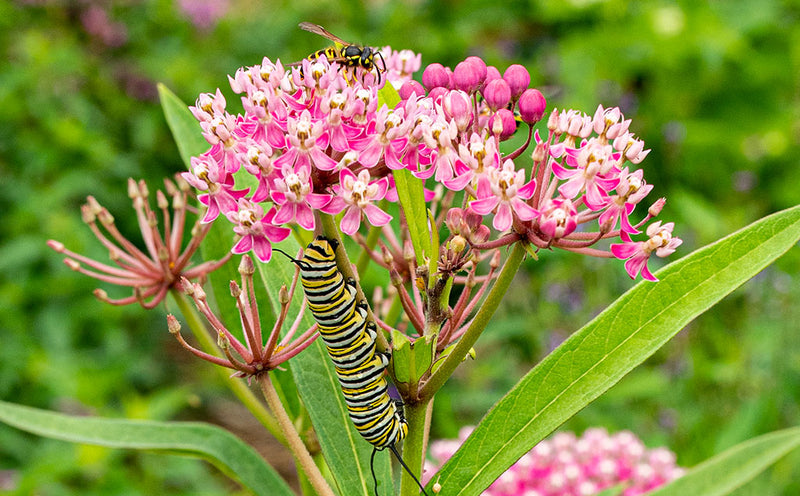
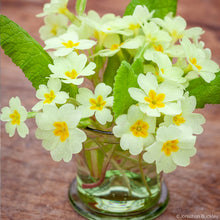
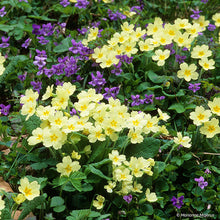
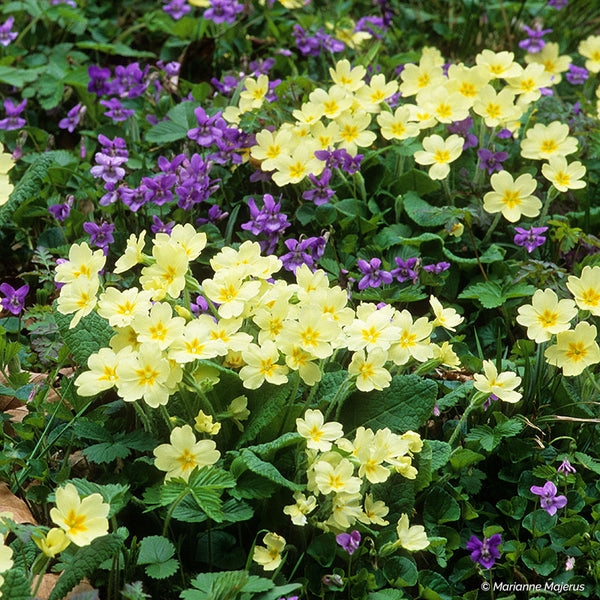
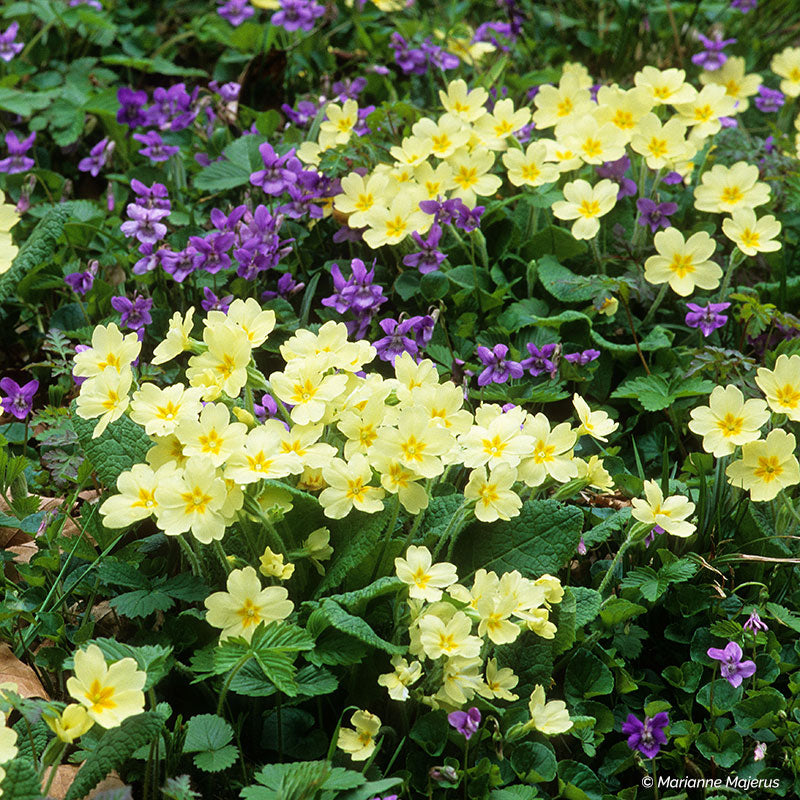
Primroses are one of the first flowers of spring, the embossed leaves and colorful flowers a welcome sight. Best in groups at the edges of woodlands and grassy meadows and around streams and ponds. Lovely with early bulbs in cool, moist, but well-drained soil that does not dry out, in part to full shade, such as in a northeast-facing bed or underneath deciduous trees. Divide every two to three years in late spring after flowering; divide in early autumn in warmer climates. Cover these plants with a loose layer of straw or leaves if frequent freezing and thawing cycles happen in winter. Pollinator-friendly, besides providing pollen and nectar early in the year, they host some butterfly caterpillars.
Soil pH:
Prefers slightly acidic to neutral soils.
Fertilizer:
Feed with a weak solution of high potash or tomato fertilizer when buds begin to form, and continuing until the first opening of flowers. Do so once more after flowering has ceased. Be sure to avoid fertilizers high in nitrogen.
Diseases & Pests:
May be susceptible to slugs. If damage is noted, apply pelletized iron phosphate or diatomaceous earth to the surface of the soil around the plant. Prevent spider mites by spraying plants down with a hose once or twice a week. If an infestation occurs and hosing down plants is not effective, neem oil can be applied to rid the plant of the pest.
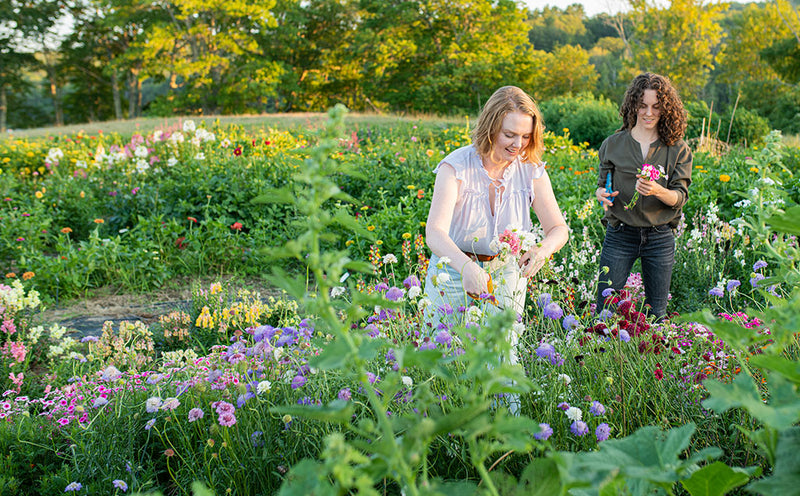
When to Cut for Bouquets:
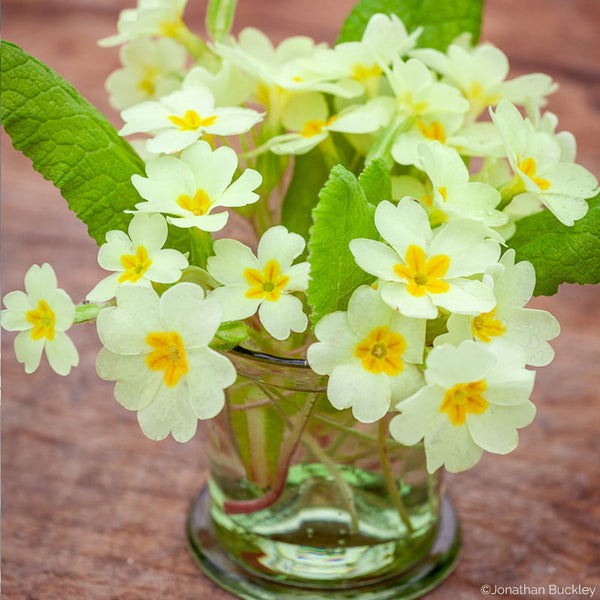
Cut when about 1/2 to 3/4 of the flowers on a stem are open.