SOWING INSTRUCTIONS
Seed To Bloom:
14-16 weeks
Starting Indoors:
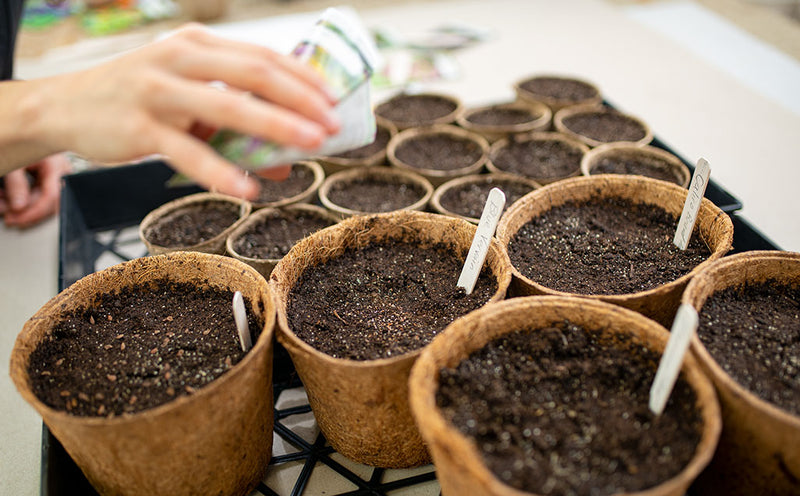
Recommended. Sow indoors in late winter. Cover lightly with vermiculite and keep at 65-70°F. After complete germination, grow cooler 50-55°F.
Starting Outdoors:
Direct sow in late summer to early fall only in warm winter zones 8+.
WHEN TO SET OUTSIDE
In spring, when light frost is still possible, 3 weeks before the last frost date
PLACEMENT & CULTIVATION
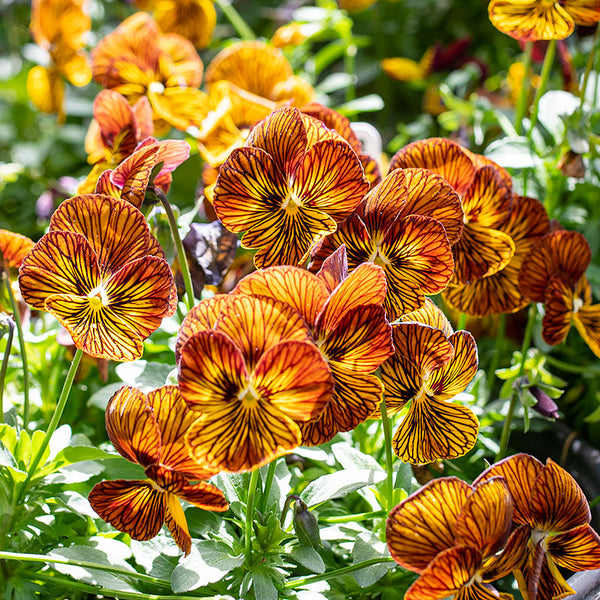
A small delight, violas bloom during the first balmy days of spring, just when gardeners are getting down to planting. Many have expressive faces and whiskers of dark tracery across the velvet petals in almost every imaginable color and shade. They look great in containers, planted about the vegetable garden for their edible petals, or at the garden's edge, where many self-sow for a yearly spring treat. They dislike hot summer weather—during this time trim back and they will rebloom in fall.
Watering Details:
Keep fairly moist with about 1" of water per week, more during especially dry spells. Do not overwater.
Fertilizer:
Mix in a couple of inches of compost before planting. Feed monthly with an organic, water-soluble seaweed or kelp fertilizer, or mix in a granular type after planting and again in late summer, when fall-blooming buds form.
Diseases & Pests:
Leaf spots and slugs are possible problems. Treat foliage with an organic fungicide and scatter pelletized iron phosphate at the base of the plants to combat slugs.
When to Cut for Bouquets:
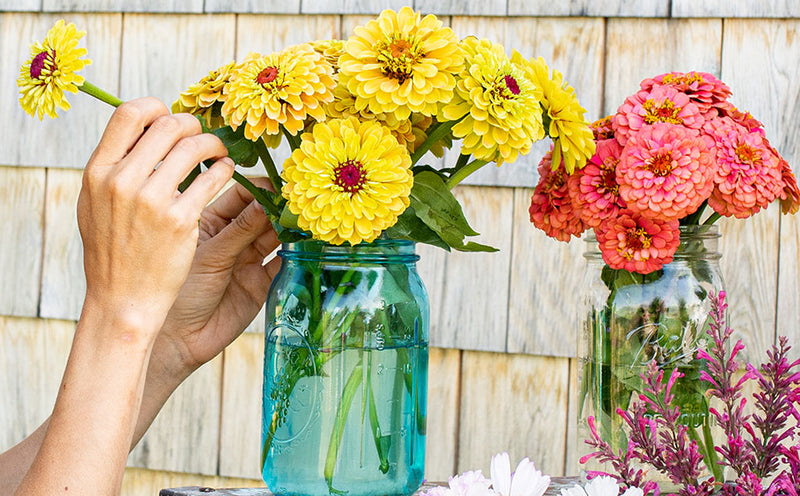
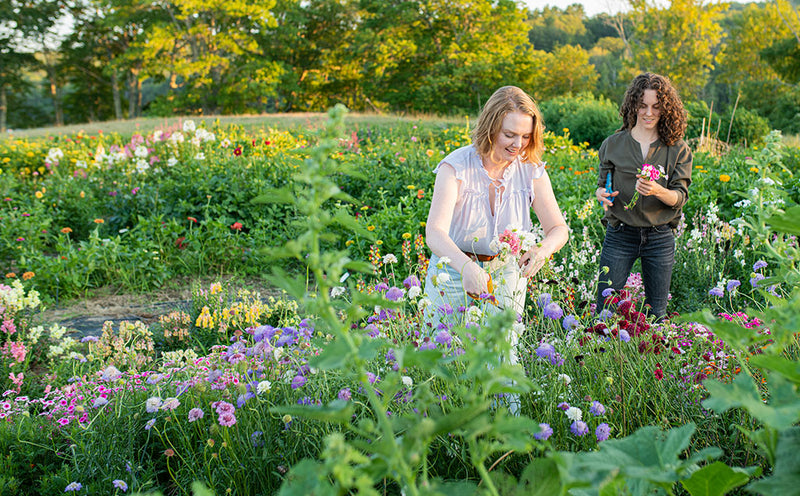
Harvest when flowers are nearly open.