SOWING INSTRUCTIONS
Depth:
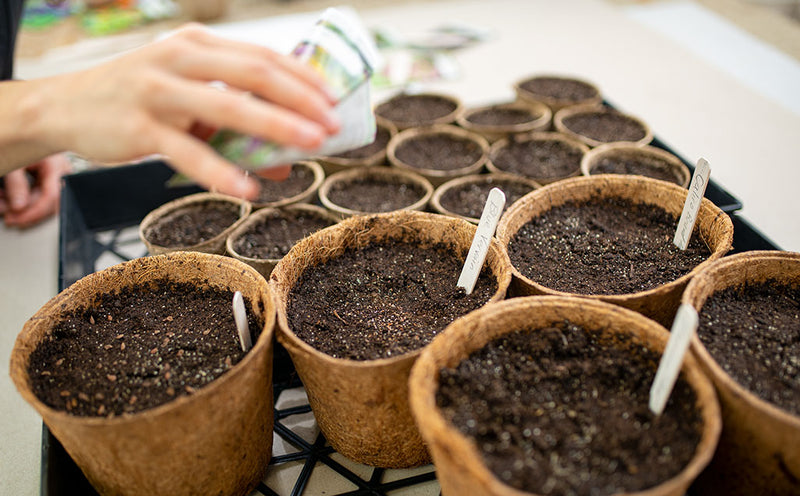
Surface sow; requires light to germinate.
Seed To Bloom:
10-12 weeks
Starting Indoors:
Start indoors 6-8 weeks before last frost. Keep at 60-75°F. Sprinkle with vermiculite or cover with humidity dome to keep moist.
Starting Outdoors:
Direct sow after last frost.
PLACEMENT & CULTIVATION
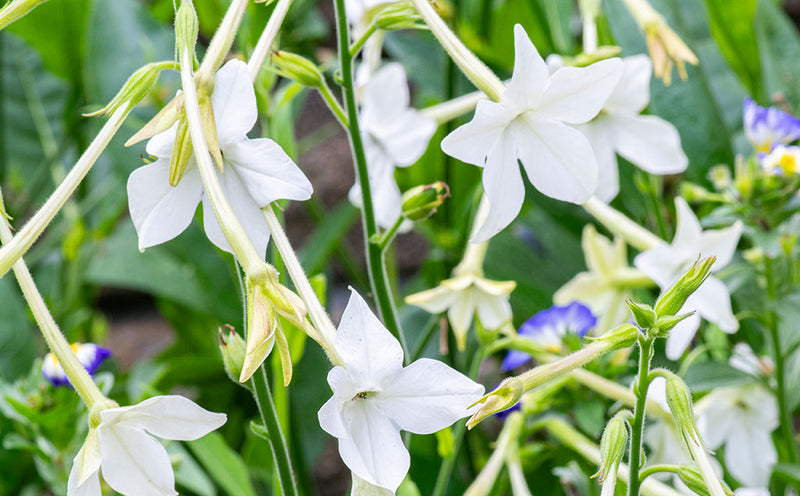
Flowering tobaccos grow best in moderate summer areas in humus-rich soils well supplied with even water. In scorching hot climates, afternoon shade is beneficial. Regular fertilizer and deadheading will ensure free flowering all season and an abundance of hummingbirds and hawk moths hovering and dipping their beaks into the small trumpets. Self-sows. Caution: all parts of Nicotiana are poisonous.
Watering Details:
Regular, even watering; 1" per week.
Soil pH:
Prefers slightly acidic soil but is tolerant of a wide range of pH levels.
Fertilizer:
Mix in about 2" of compost prior to planting, and use several applications of organic fertilizer during the season.
Diseases & Pests:
Nicotiana can be susceptible to aphids; water sprays or insecticidal soap can safely remedy the issue. Tobacco budworms eat holes in the buds and devour seeds later in the summer. Try to hand pick them at dusk when they come out to feed. In autumn, tilling in annual beds can help destroy pupae and decrease populations the following year. Tobacco hornworm, the caterpillar stage of a hawk moth, also feeds on Nicotiana and can be controlled by handpicking. Look for the black droppings, as the green caterpillars are hard to spot, and remove immediately, as they can ravage the foliage. White eggs attached to them indicate that a predator insect has parasitized them, and the caterpillars should be left alone.
When to Cut for Bouquets:
Harvest when flowers are mostly open.