WHEN TO SET OUTSIDE
This mid-to-late summer bloomer can be set in the ground in spring after all danger of frost has passed.
PLACEMENT & CULTIVATION
Sea holly thrives in drier garden areas and is a low-maintenance choice for planting in xeriscaping and gravel gardens, plus more fertile, well-drained sunny perennial borders where diverse pollinators such as wasps gather. It grows a deep tap root, which enables it to withstand droughty conditions once mature, and should not be disturbed or moved. Sprinkle some fine gravel around the crowns to allow proper drainage during wintertime. Cut back in spring, for the clusters of thistle-like dried flower heads add interest to winter landscapes.
Watering Details:
Water regularly while establishing, then only during especially dry, hot spells.
Soil pH:
Prefers acidic to neutral soils.
Fertilizer:
Do not fertilize during the first year of establishment. Subsequently, a springtime application of organic granular fertilizer or a 1/2" layer of compost.
Diseases & Pests:
No major pests or diseases. If aphids appear, spray plants down with a stream of water or spray with insecticidal soap. Occasionally, slugs or snails may be a problem—apply pelletized iron phosphate or some diatomaceous earth to the surrounding soil.
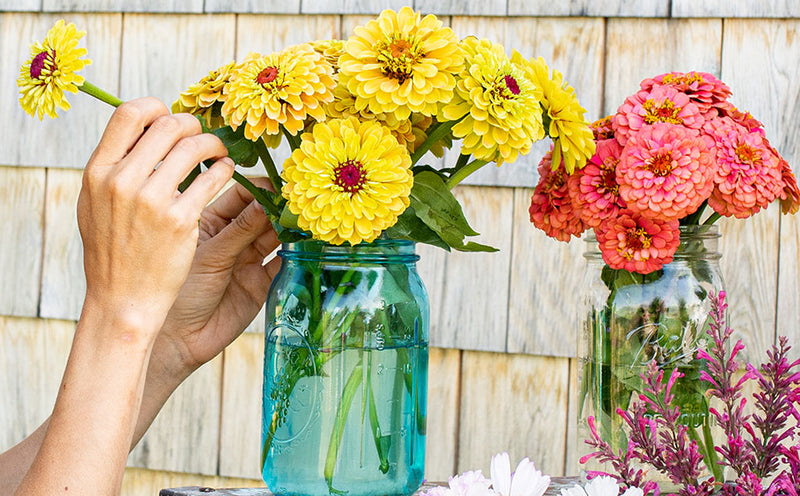
When to Cut for Bouquets:
Harvest when flowers are fully open.