Skip to the content
SELECT SEEDS
Salvia - Texas Sage Hummingbird™ 'Forest Fire' - S1
Plant

Salvia - Texas Sage Hummingbird™ 'Forest Fire'

Salvia coccinea
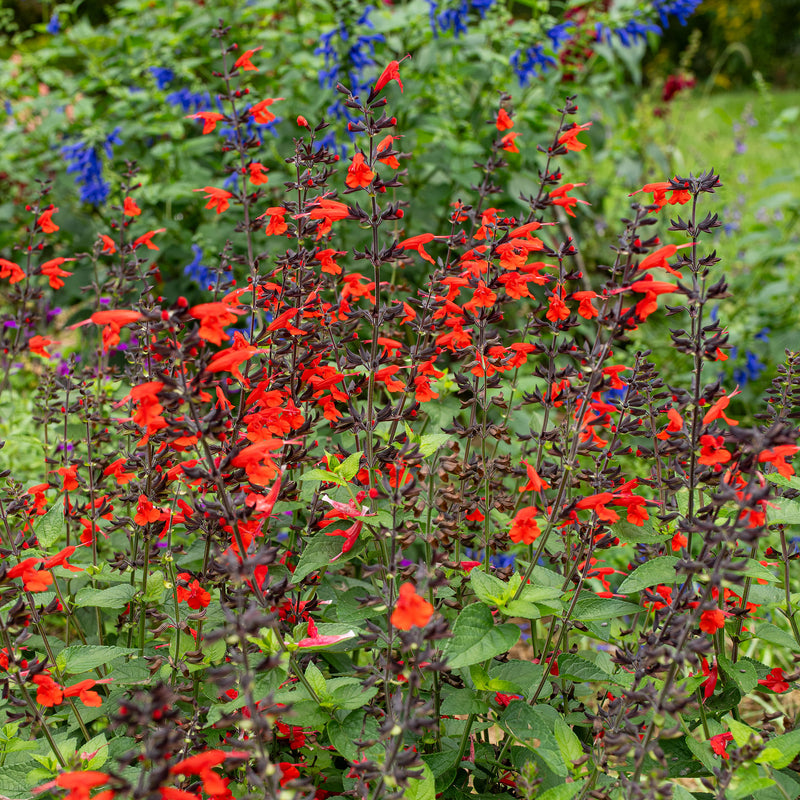
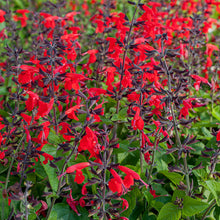
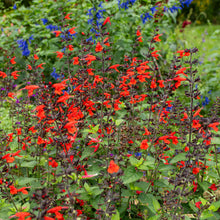
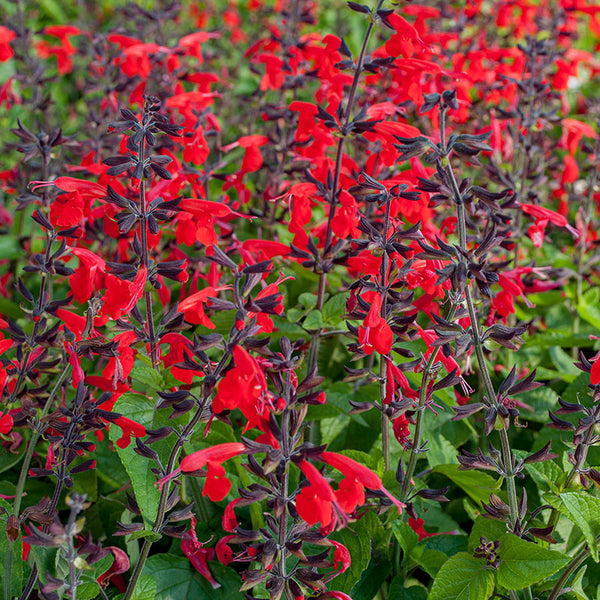
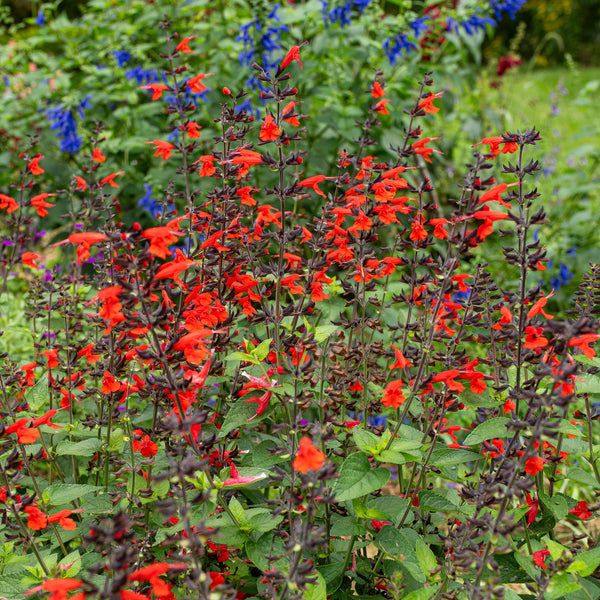
Red salvias have been in our gardens for a long time, described as early as 1778, and becoming all too common as short stubby salvias took over during the bedding out craze of Victorian parks and gardens. This tall, graceful native species is full of head-turning red flowers held by smoldering dark calyxes, the tubular flowers attracting hummingbirds to the cache of nectar within. Growing quickly when summer arrives, Texas sage tolerates humidity and heat, and the many spires of flowers are excellent cut flowers.
SKU #P5900

Buy more and save!

Minimum Qty Discount
3 + $0.20 off each
6 + $0.45 off each
$9.95
Details
Shipped As
Pot: 3.5" h x 2.63" w (9.5 fl oz)
Lifecycle
Annual
Annual Hardiness
Half Hardy Annual
Mature Size
1.5-2' h x 1.5' w
Sun
Full sun
Soil
Rich, moist, well-drained
Season
Summer to fall
Color
Red flowers with dark calyces
Features
Great for Containers
Great Cut Flower
Deer Resistant
Heat or Drought Tolerant
Attracts Butterflies
Attracts Bees
Attracts Hummingbirds
WHEN TO SET OUTSIDE
In springtime, after all danger of frost has passed.
PLACEMENT & CULTIVATION
I can hardly imagine a garden without salvia; the genus has many irreplaceable floral gems. They are easy to grow and trouble-free, many are quick to bloom, and they grow well in gardens or containers. They offer a never-ending parade of flowers—at least until frost—and the antics of visiting hummingbirds. Those pesky deer avoid it, perhaps stayed by the unpleasant aroma of the bruised leaves. Pinch back once plants reach 6" tall to encourage bushiness and place in a sunny location. Deadhead frequently or cut for bouquets.
Final Spacing:
8-12"
Water Requirements:
Medium Water Use
Watering Details:
1" per week. Tolerates some drought once established, however flowers best with regular water.
Soil pH:
Not particular about pH
Fertilizer:
Mix in 1" of compost prior to planting.
Diseases & Pests:
Occasionally susceptible to mildew or rust; prevent by planting in a location that has good airflow. If disease appears, treat with an organic fungicide or neem oil once per week until the problem is resolved. If whiteflies appear, spray down the plant daily with a good blast of water until the pests are gone. Prevent slugs by sprinkling crushed eggshells or diatomaceous earth on the soil around the plant.
When to Cut for Bouquets:
Cut when about 1/2 of florets are open.