SOWING INSTRUCTIONS
Starting Indoors:
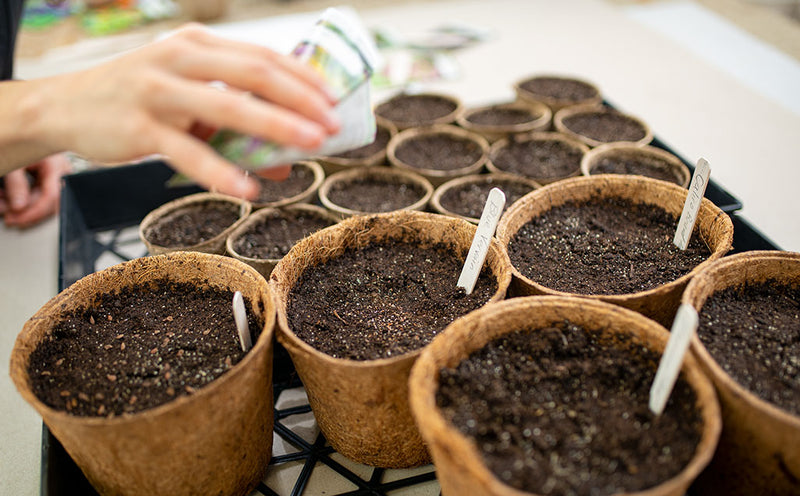
Sow in late winter in small pots, covering with vermiculite to increase humidity around the seed for good germination. Keep warm at 70-75°F. An initial moist stratification period at 40°F for 3-4 weeks may increase germination rates, but it is not essential. Grow on at 65-68°F.
Starting Outdoors:
Direct sow in earliest spring or late summer.
PLACEMENT & CULTIVATION
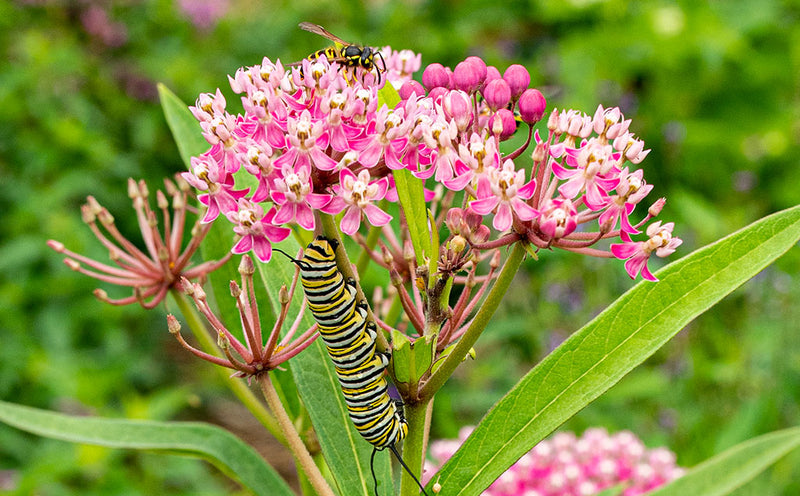
Coneflower is a butterfly magnet and is welcome in borders with other summer bloomers or added to meadow plantings of grasses and other pollinator favorites. A host plant to some butterfly caterpillars, they attract beneficial insects, bumblebees and the stiff stems add bee-friendly nesting sites. They handle hot summer weather and are often cut and added to bouquets. The bristly cone centers are wonderfully decorative and offer seeds for goldfinches later in the season. As summer progresses, stop deadheading to develop an abundance of ripe seed heads. Cut back dead stems in early spring and divide if needed in spring or early fall.
Watering Details:
Water regularly the first season while establishing, then only during especially dry, hot spells.
Soil pH:
Slightly acidic to neutral
Fertilizer:
Provide with about 2" of compost annually in early spring—too much fertilizer will cause the plants to become leggy.
Diseases & Pests:
Echinacea is rarely troubled by pests or diseases, though crowded conditions may encourage fungal leaf diseases, and poor drainage may lead to crown rot. Aster yellows may affect coneflowers, causing unsightly foliage issues; remove diseased plants promptly to avoid spreading. Prevention through insect control and weeding (especially removing other daisy-like plants, such as dandelions) is quite helpful.
When to Cut for Bouquets:
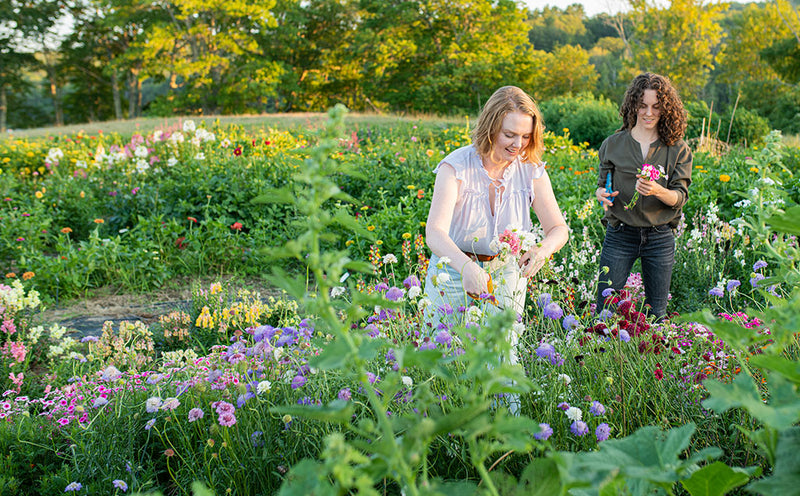
Cut when flowers are 3/4 open.