SOWING INSTRUCTIONS
Seed To Bloom:
14-16 weeks
Starting Indoors:
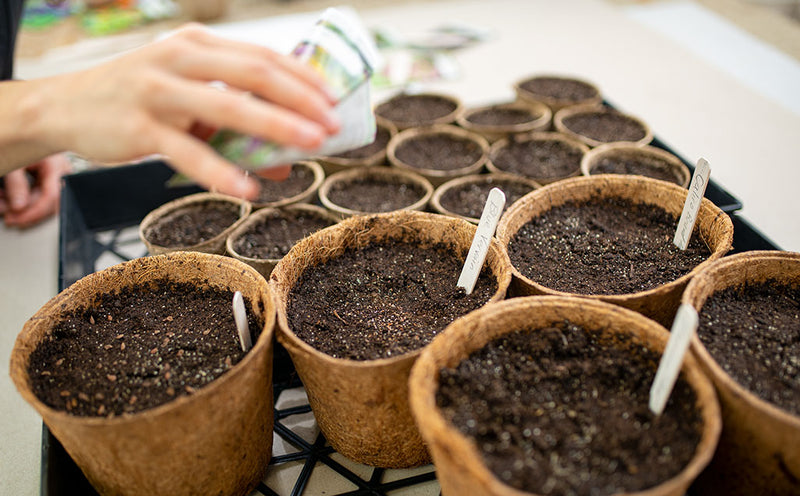
Sow indoors 8-10 weeks before last frost date. Keep at 65-70°F until germination occurs, then at 50-60°F.
Starting Outdoors:
Direct sow in early spring, fall in warm winter areas (zones 8-9).
WHEN TO SET OUTSIDE
Set out two weeks before last frost.
PLACEMENT & CULTIVATION
China pinks are most often grown as annuals. A cool season flower, they excel in areas with moderate summer temperatures and lower humidity and are most effective in border edges and containers. They thrive in fertile soils with some moisture but withstand drier conditions. Edible petals create beautiful garnishes for festive salads. Deadhead for a longer bloom time in moderate summer areas.
Watering Details:
Water regularly, about 1" per week for best growth and flowering. In zones where it is winter hardy, it will tolerate some drought once fully established. Avoid overwatering and saturated soils.
Soil pH:
Tolerates most soil pH levels, but neutral to alkaline is preferred. If soil is acidic, apply a handful of lime when planting.
Fertilizer:
Apply a low-nitrogen granular, organic fertilizer or 2" of compost in springtime.
Diseases & Pests:
Leaf spots can damage the leaves of Dianthus. Space well apart for good air circulation.
When to Cut for Bouquets:
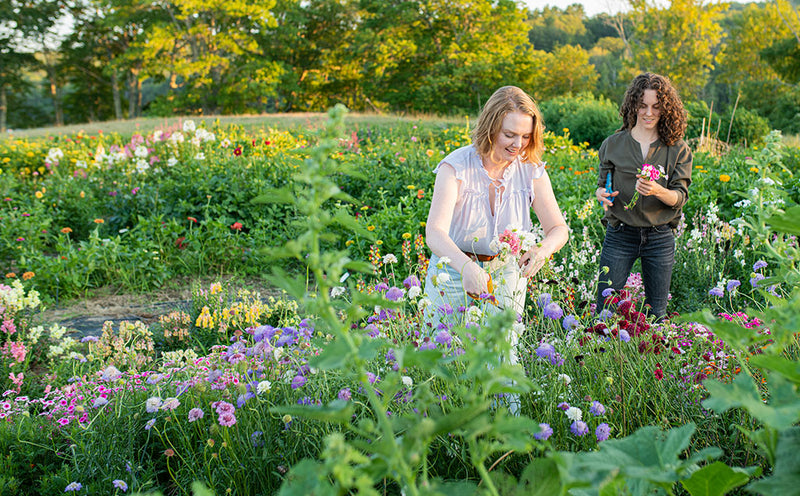
Harvest when 1/2 of the florets are open.