SOWING INSTRUCTIONS
Seed To Bloom:
16-20 weeks
Starting Indoors:
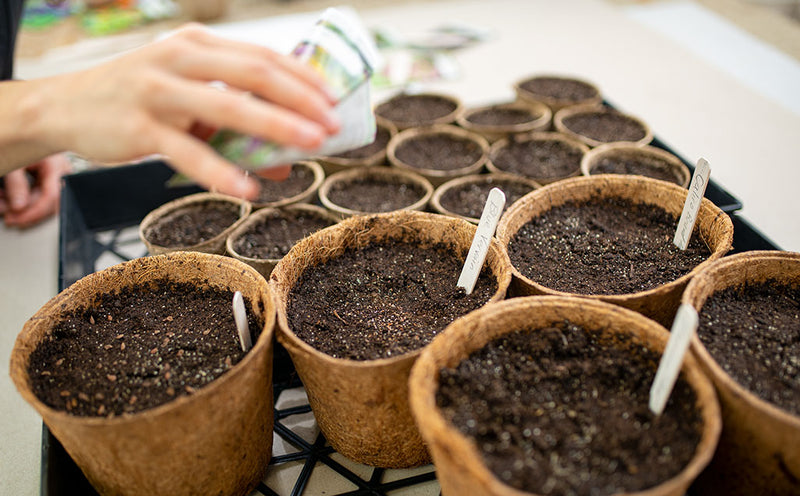
Recommended. Sow indoors 8-10 weeks before planting out at the last frost date. Keep at 65-70°F until germination occurs, then at 50-55°F.
Starting Outdoors:
Direct sow where hardy at last frost date for some fall flowers and overwintering as perennial. In warm winter areas (zones 8-9) sow in late summer for flowers the following year.
PLACEMENT & CULTIVATION
Chabaud carnations, with their charming old-fashioned allure, have captivated generations of gardeners with their spicy clove fragrance and gathered petals. These beloved cut flowers are at home in cottage and cutting gardens, where placing short, twiggy brush establishes a sturdy framework for their slender, sometimes weaving stems. To encourage further branching and abundant blooms, pinch back the seedlings when they reach a height of approximately 6-8 inches. Larger flowers will result if only one central bud is left per stem. Prefers moderate summer temperatures. Edible petals are useful as garnishes.
Watering Details:
Water regularly, about 1" per week for best growth and flowering. In zones where it is winter hardy, it will tolerate some drought once fully established. Avoid overwatering and saturated soils.
Soil pH:
Neutral to alkaline pH is preferred. If soil is acidic, apply a handful of lime when planting.
Fertilizer:
Apply a slow release, low-nitrogen, higher phosphorus granular, organic fertilizer or 2" of compost in springtime.
Diseases & Pests:
Leaf spots can mar the leaves of Dianthus. Space well apart for good air circulation. Avoid saturated soils which may lead to root rots.
When to Cut for Bouquets:
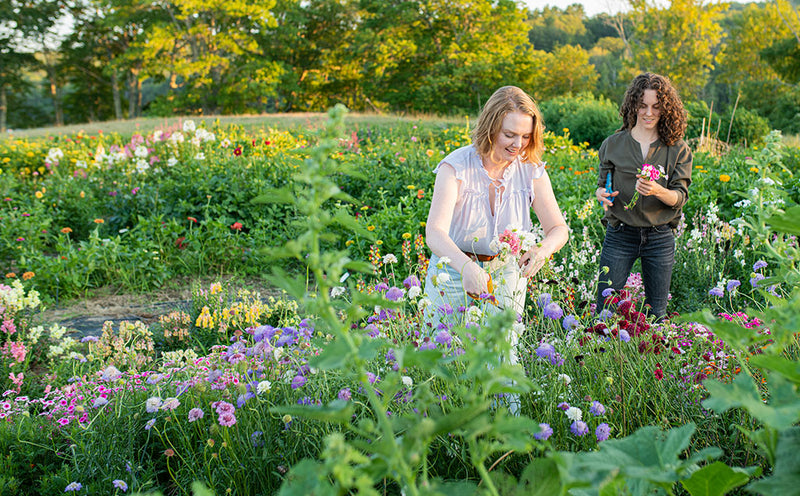
Harvest when two flowers are open on the spray.