SOWING INSTRUCTIONS
Depth:
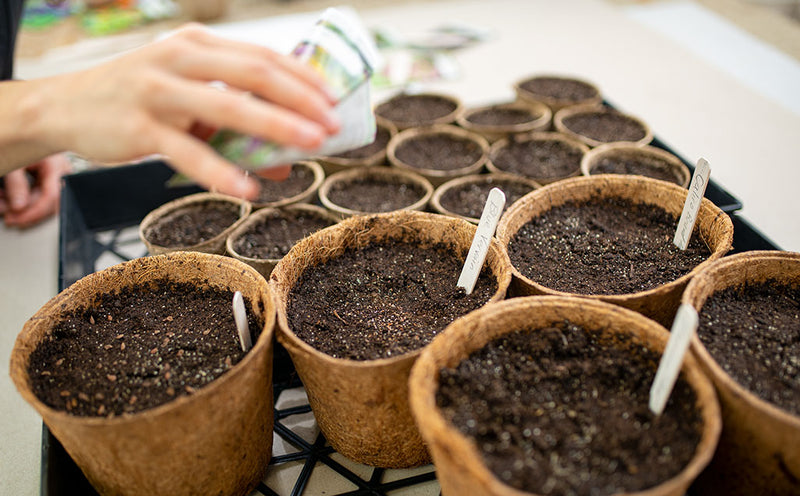
Surface sow and press in or light cover to 1/8".
Seed To Bloom:
8-10 weeks
Starting Indoors:
Start in containers 4 weeks before last spring frost. Keep at 60-65°F.
Starting Outdoors:
Recommended. Direct sow in early spring or fall; late winter in mild winter areas (zones 8-10).
WHEN TO SET OUTSIDE
In springtime, at last frost date.
PLACEMENT & CULTIVATION
California poppies are beguiling wildflowers with teardrop buds opening to silky lustrous cups, closing in the evening and when cloudy weather reigns. They self sow readily and often find just the right spot to grow—along dry garden edges, rock gardens and gravelly spots where little else thrives. Best in areas where summer nights cool down, where they bloom long, elsewhere a spring to summer delight, especially when grown in large drifts. Deadhead, leaving a few seedpods to ripen seeds and self sow.
Watering Details:
Drought-tolerant, water to establish, then only during prolonged dry spells, when an infrequent but deep watering may encourage more blossoms.
Fertilizer:
Mix in a granular organic flower fertilizer with low nitrogen in poor soils.
Diseases & Pests:
No significant pests or diseases. Avoid crown rots by siting in sharply-drained soils.
When to Cut for Bouquets:
Not suitable for cut flowers.