SOWING INSTRUCTIONS
Depth:
Surface sow. Requires light for germination.
Starting Indoors:
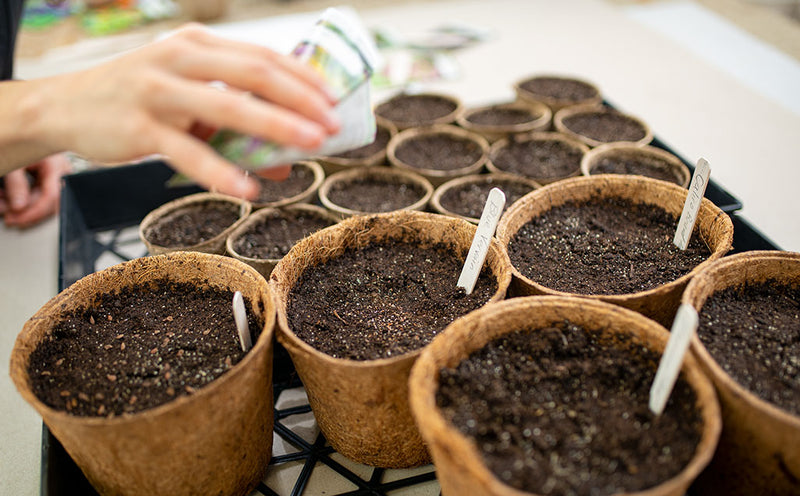
Stratify for 30-90 days at 35-40°F in late winter. To stratify, place seeds in dampened vermiculite or clean sand, enclose in a plastic bag and refrigerate. Transplant any seeds that have started germination. After at least 30 days have elapsed, remove pre-chilled seeds from refrigerator and sow. Cover with humidity dome and keep at 60-70°F.
Starting Outdoors:
Direct sow in fall or winter sow into pots in the shade, covered with a thin layer of clean sand and a wire screen to keep out mice and voles. Check for moisture at regular intervals.
WHEN TO SET OUTSIDE
This Eastern U.S. native summer to early autumn bloomer can be set in the ground in springtime when all danger of frost has passed, or in early autumn.
PLACEMENT & CULTIVATION
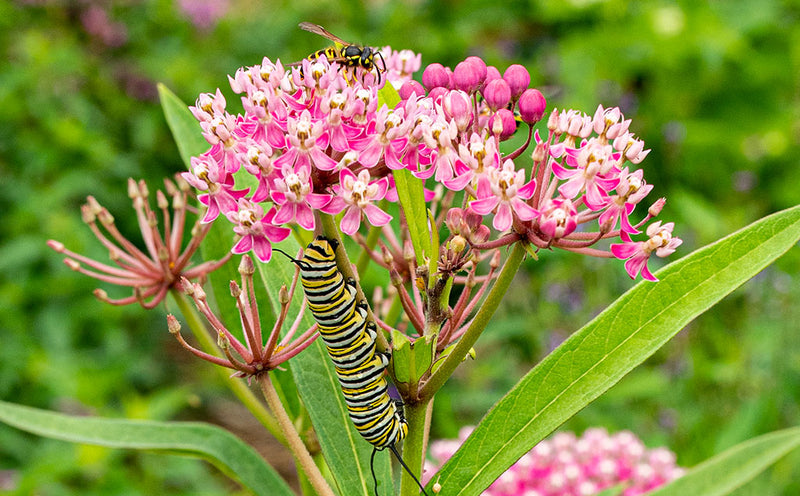
Hardy ageratum will attract late-season butterflies with its ample nectar and make a lovely addition to any cottage garden or naturalized setting, as animals rarely eat it due to its bitter taste. Also suitable for open woodland or rain gardens, it requires medium to wet soils, either sandy or clay. Does pretty well in partial shade. Mix in a thin layer of compost, then about an inch of mulch. Tends to spread and create a groundcover in hospitable areas, and self-sows.
Watering Details:
Needs constant moisture—do not allow soil to dry out.
Soil pH:
Prefers more acidic soils but will tolerate neutral settings.
Fertilizer:
Apply a thin layer of compost and mix into the soil when transplanting and annually in early spring.
Diseases & Pests:
No serious pest or disease problems. Leaves may scorch if soil is allowed to dry out.