SOWING INSTRUCTIONS
Depth:
Barely cover 1/16"
Starting Indoors:
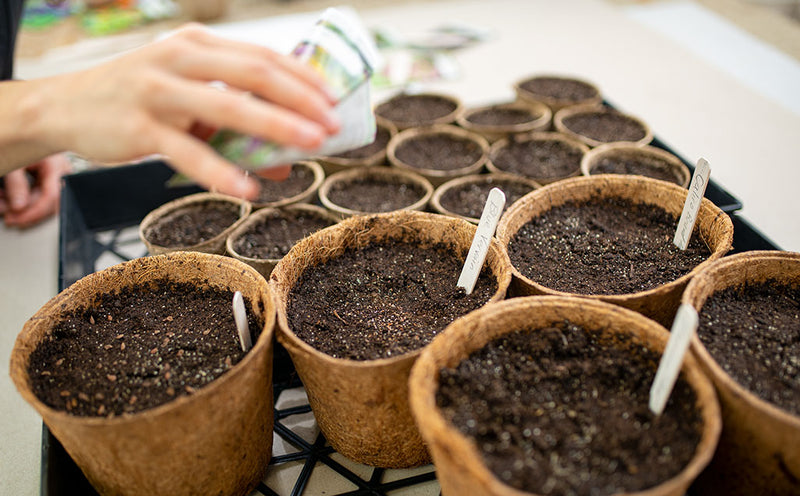
Six weeks before last frost, sow thinly into pots filled with a mix specifically for seed germination, as this helps prevent damping off. Keep at 65-75°F with evenly moist conditions by placing a humidity dome over the containers until germination starts, or by sprinkling a thin cover of vermiculite over the pots.
Starting Outdoors:
Direct sow after last frost.
WHEN TO SET OUTSIDE
After all danger of frost has passed. Be careful not to disturb the roots.
PLACEMENT & CULTIVATION
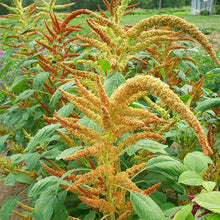
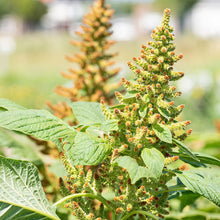
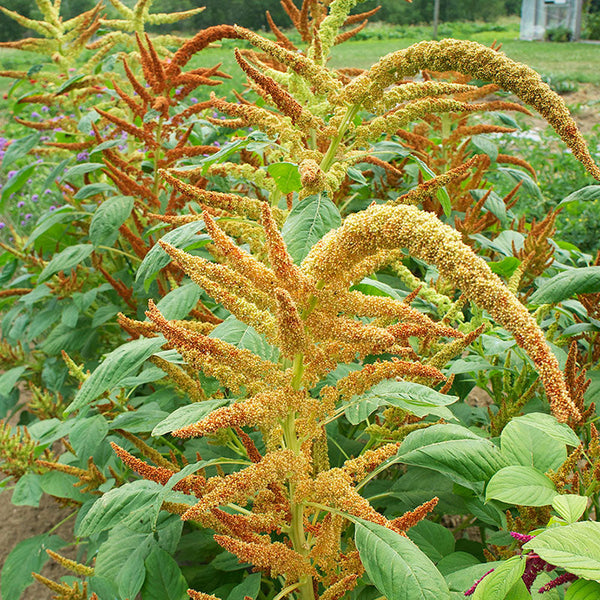
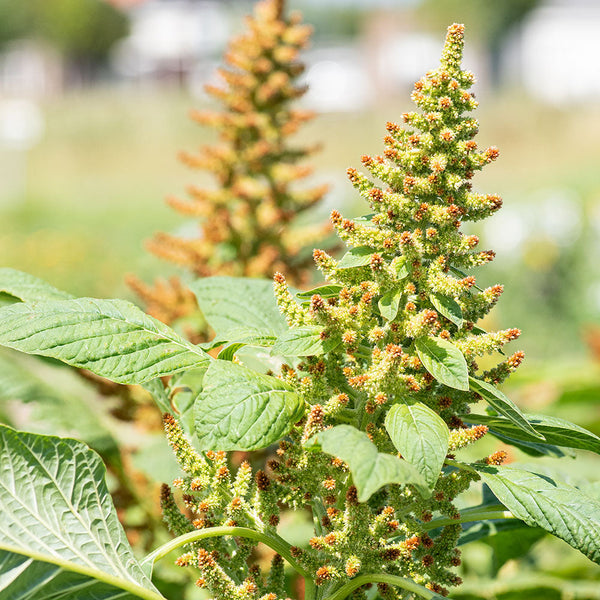
Amaranth is a dramatic addition to any garden bed, adding bold texture and height to the landscape. Once common in gardens for ornament and food in 17th-century England and much earlier in its native South America, this plant thrives in heat and humidity, making it perfect as the centerpiece of a summer annual bed or as an accent in the back border. When planted in abundance, it is an effective hedge or screening plant. Amaranth is also often grown as a cut flower, either fresh or dried. Sow the small seeds thinly and remove any weed competition when young; they will tower over all by high summer. Later in the season, birds will visit and feast on the abundant edible seeds. Self-sows abundantly, pull the excess when young, and add to salads.
Watering Details:
Drought tolerant. 1" a week until fully established; then water during dry spells.
Soil pH:
Slightly acidic to neutral
Fertilizer:
If soils are particularly poor, mix in an organic granular fertilizer once seedlings have reached 6-8" in height. Avoid excess fertilizer.
Diseases & Pests:
Flea beetles can damage leaves and tarnished plant bugs can infest flower heads. Use an organic insecticide to control. Provide freely-draining soils, for, in wet soils, emerging seedlings may die from soil pathogens. Overly moist soils also encourage various fungal root and stem rots on mature plants, causing collapse.
When to Cut for Bouquets:
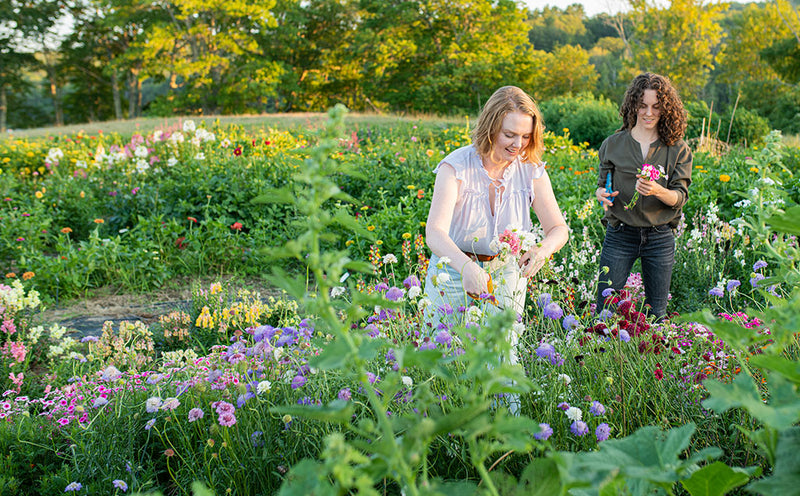
Harvest for fresh cuts when 1/2 to 3/4 of the florets are open.