WHEN TO SET OUTSIDE
In springtime after all danger of frost has passed.
PLACEMENT & CULTIVATION
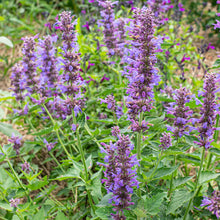
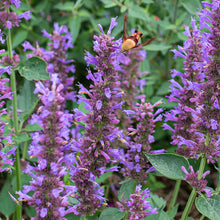
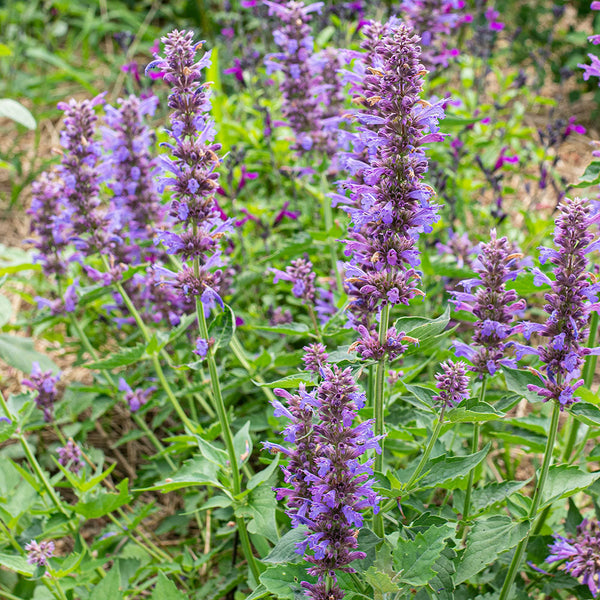
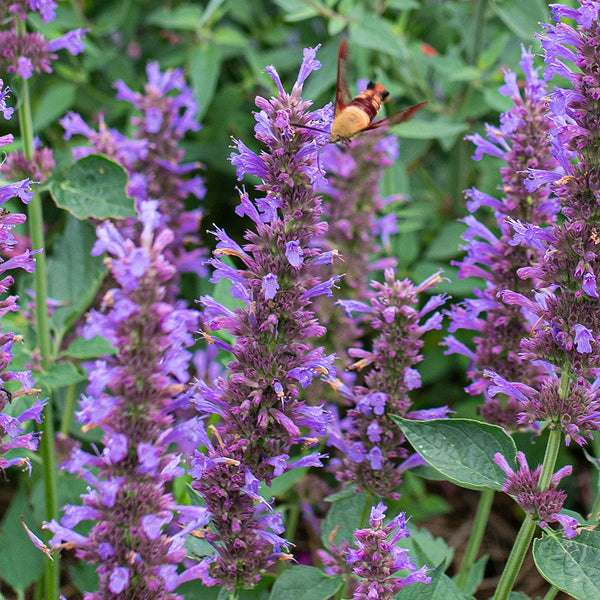
Agastache grows best in freely draining, gritty soils, where it will grow upright. Rich, moist soils encourage a more sprawling habit and can decrease flowering. To ensure the best overwintering success, choose a sunny, sheltered position in northern gardens and plant in a raised bed or amend loamy soils with generous amounts of sand, gravel, and some compost. A winter mulch of pine needles or stone is best in wet winter regions, as they do not harbor much moisture. Wait until spring to cut down to further encourage its perennial nature. This pollinator-friendly plant unfailingly attracts hummingbirds, butterflies, and bees, while the minty, anise-scented foliage is unappealing to deer and rabbits. In their first year of growth from seed, perennials bulk up their roots to flower copiously the following year. Larger transplants planted after frost will produce loads of flowering spikes the first summer and fall. Deadhead spent blooms.
Watering Details:
Agastache is drought-tolerant once fully established. During the first season, water regularly. However, they can withstand prolonged dry spells with minimal water once they mature. If there are extended periods of drought, provide mature plants with a deep soaking every two weeks.
Soil pH:
Slightly acid to slightly alkaline 6.0-7.5 pH
Fertilizer:
Apply a 1/2" layer of compost annually.
Diseases & Pests:
Agastache are generally not susceptible to pests or disease, but occasionally can be affected by powdery mildew. Space plants well apart for good air circulation.
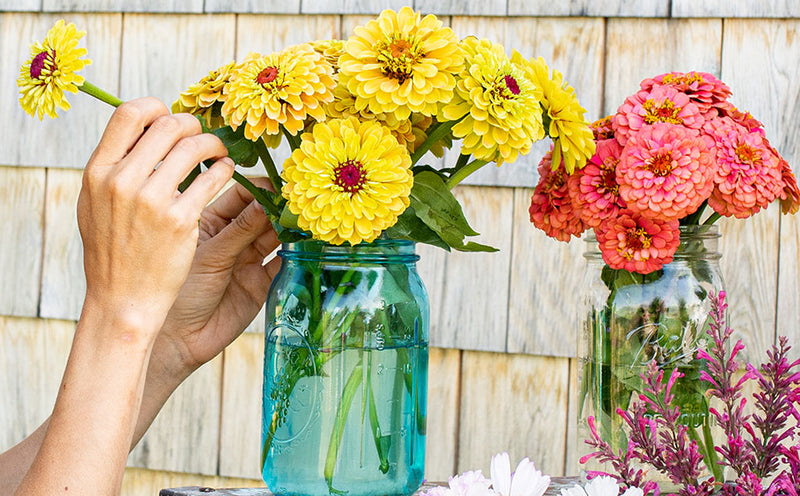
When to Cut for Bouquets:
Harvest when 1/3 to 1/2 florets are open.